
| tel: | (65) 6255 2823 |
| fax: | (65) 6255 7073 |
| WhatsApp: | (65) 9230 7673 |
| emergency tel: | (65) 6535 8833 |
| (after office hours) |
| tel: | (65) 6255 2823 |
| fax: | (65) 6255 7073 |
| WhatsApp: | (65) 9230 7673 |
| emergency tel: | (65) 6535 8833 |
| (after office hours) |
| tel: | (65) 6255 2823 |
| fax: | (65) 6255 7073 |
| WhatsApp: | (65) 9230 7673 |
| emergency tel: | (65) 6535 8833 |
| (after office hours) |
SERVICES: FAMILY PLANNING / CONTRACEPTION
Many couples need advice on family planning to determine the spacing and number of their children. This may involve the use of contraception.
Various contraceptive methods include
what our patients say
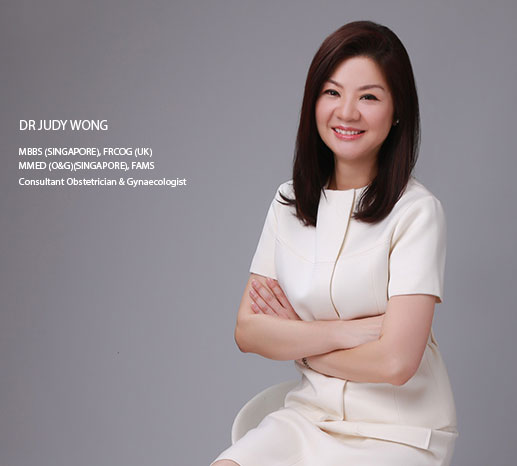
We had an amazing and superb experience with Dr Judy Wong! We truly appreciate how kind and loving to us, and we are happy with the service she has rendered.
Her staff are always accommodating and happy to engage with. They are well prepared and give their best! -- Rosevina
OUR SERVICES
First Trimester Pre-Eclampsia Screening
NIPT (Non-Invasive Prenatal Testing)
Family planning / Contraception
Female cancer and health screening
Laparoscopy (key hole) surgery
Management of fibroids, ovarian cysts, polyps, endometriosis, vaginal infections
Infertility workup and treatment
Menstrual problems, Painful Periods
Menopause
PAP smear
HPV testing
CONTACT INFORMATION & LOCATION
| Tel: | (65) 6255 2823 |
| Fax: | (65) 6255 7073 |
| WhatsApp: | (65) 9230 7673 |
| Emergency Tel: | (65) 6535 8833 After Office Hours |
| Address: | #04-08 Thomson Medical Centre 339 Thomson Road Singapore 307677 |
| Mon ~ Fri: | 9:00am ~ 5:00pm | |
| Sat: | 8:30am ~ 1:00pm |
CONTACT US
COPYRIGHT JUDY WONG CLINIC FOR WOMEN 2018
RUNNING medi-webPage 9.0
OUR SERVICES
First Trimester Pre-Eclampsia Screening
NIPT (Non-Invasive Prenatal Testing)
Family planning / Contraception
Cervical cancer vaccination
Female cancer and health screening
Laparoscopy (key hole) surgery
Infertility workup and treatment
Menstrual problems, Painful Periods
Menopause
Management of fibroids, ovarian cysts, polyps, endometriosis, vaginal infections
PAP smear
HPV testing
OPENING HOURS
| Mon ~ Fri Sat | 9:00am ~ 5:00pm 8:30am ~ 1:00pm |
LOCATION
| #04-08 Thomson Medical Centre 339 Thomson Road, Singapore 307677 |
SERVICES: FAMILY PLANNING / CONTRACEPTION
Many couples need advice on family planning to determine the spacing and number of their children. This may involve the use of contraception.
Various contraceptive methods include
For couples who have completed their families, tubal ligation (sterilization) is another alternative.
what our patients say
We had an amazing and superb experience with Dr Judy Wong! We truly appreciate how kind and loving to us, and we are happy with the service she has rendered.
Her staff are always accommodating and happy to engage with. They are well prepared and give their best! -- Rosevina
CONTACT US
OPENING HOURS
| Mon ~ Fri Sat | 9:00am ~ 5:00pm 8:30am ~ 1:00pm |
LOCATION
| #04-08 Thomson Medical Centre 339 Thomson Road, Singapore 307677 |
COPYRIGHT JUDY WONG CLINIC FOR WOMEN 2018
RUNNING medi-webPage 9.0